
When Should you Consult your Allergist
Allergies or allergic diseases occur as a heightened reaction by our immune system in response to certain foreign substances that are harmless to most people, but can trigger a hypersensitivity reaction in someone who is sensitive to it. Substance that causes allergy is known as allergen. The immune system is the defensive guard of the body whose main function is to provide protection against foreign invaders such as bacteria, viruses or any other type of infection. It works by recognizing the allergen and inducing an immune response through production of antibodies. Antibodies or immunoglobulins (Ig) are protective proteins that specifically target against particular antigens by attaching to its (antigen’s) surface thereby helps in their recognition and destruction by other immune cells. The antibody involved in allergic reactions is IgE.
Though allergies can develop at any age, it is more common in children and people who have family history of allergies are more prone to it. Most commonly involved allergens are pollens, dust mites, animal dander, certain food products (eggs, peanuts, soy, shellfish etc.), insect bites, latex and even some medications. Most common allergic diseases are Allergic Rhinitis (nasal allergies), Allergic Asthma, Allergic Conjunctivitis (eye allergies), Dermatitis and food allergies.
We can come in contact with allergens through skin (causes contact dermatitis),eyes(conjunctivitis), nose(rhinitis), mouth and stomach. The allergy attacks may vary from mild to severe and even life threatening anaphylactic reactions depending on severity of allergen attack and body’s response towards it. Symptoms of allergic rhinitis, asthma and dermatitis are:
Allergic rhinitis (Hay fever)
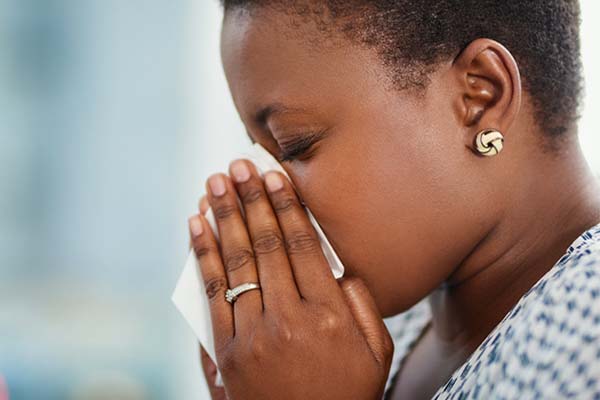
It is the most common allergic reaction due to inhalation of allergens such as dust mites, pollens, and animal dander etc. Symptoms occur due tp the inflammation of nasal tissues when exposed to aero-allergens. Sinuses, throat, eyes and ears can also get affected. Most commonly seen symptoms are:


Asthma
It is a respiratory disorder that occur due to inflammation and hypersensitivity reaction of air passages causing recurrent and reversible narrowing of air passages leading to difficulty in breathing. Most common symptoms are:
Dermatitis
Dermatitis literally means inflammation of skin. It occurs when we come in contact with the irritant that triggers the allergic reaction. Commonly seen symptoms are:
The prime most step in Management involves detection of the allergen. The allergist will take the detailed history about work, home environment, eating habits, family’s medical history, frequency and severity of symptoms. Skin tests can also be performed which is the easiest, affordable and quick way to identify the allergen.
Treatment for Allergic Rhinitis
The best way is to limit the exposure to irritant.
Medication
In allergic rhinitis sometimes sinus can also become swollen, congested and inflamed to remove any inhaled irritant responsible for triggering allergy leading to allergic sinusitis. Allergic sinusitis’s treatment involves medication with antibiotics, nasal decongestant sprays, antihistamines, nasal saline washes and topical nasal corticoids.
When you come across any of these symptoms very often, it is always preferable to consult the allergist to find immediate remedies for your problems.
For more information, mail us: info@prodigykenya.com / call: +254722279159
Related Posts

Has your child been experiencing certain allergic reactions since birth? In this article we explore the causes of allergies in children and the treatment for them and how our ENT specialist at Prodigy ENT and Hearing Care Centre will help manage and treat allergies in your child. [...]